
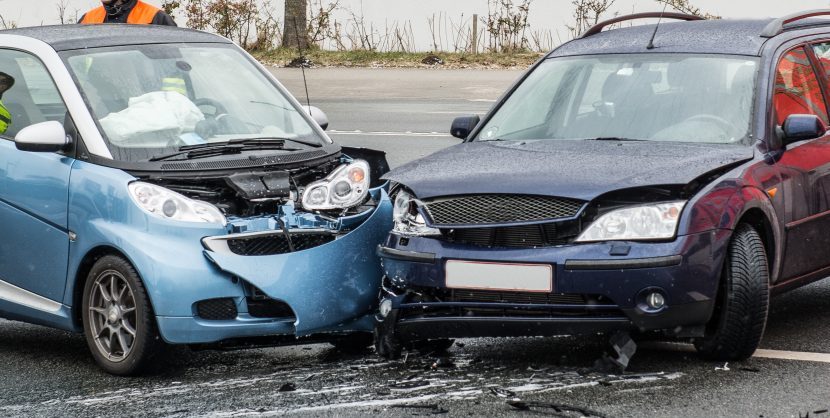
Strict liability differs from fault-based liability under CO 41 in one point. In the case of strict liability, the party causing the damage is liable even without a fault. In the case of strict liability, liability is linked to a certain constellation. An example of this is the liability of the keeper of a motor vehicle (the person who uses the vehicle at his own expense and has control over it – not necessarily the owner) under the Swiss Road Traffic Act, SVG 58 (no official translation in English). According to this provision, the keeper of the motor vehicle is not liable because he is at fault, but only because he is the keeper of the motor vehicle (special constellation), in particular also if he does not cause an accident himself, i.e. if someone else is driving. The legal justification for this liability, a so-called liability of risk, is that driving a car generally represents a major risk, which only in Switzerland is responsible for about 200 deaths per year (see Info ASTRA). In other words, driving should be banned in general. However, because the general public assumes that driving is of great benefit, driving with a permit (driving test, driving licence) is permitted. However, the keepers of a car are subject to a general, strict liability. Other examples of strict liability are the liability of the employer for damage caused by employees in the course of their work (CO 55; the employer is only released if he proves that he took all due care) and product liability (Chapter 07.06).