
From farmers to platform workers
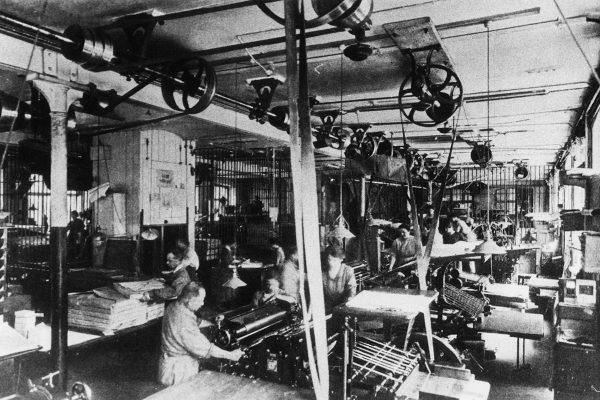
Until the 19th century, most people worked in their family businesses, often in agriculture and trade. With industrialisation in the 19th century, the working environment changed fundamentally for the first time. Factories were built and more and more people worked there – for long hours, and often as children. This also had legal consequences: the first labour laws were enacted. In Switzerland, the Federal Factory Act of 1877 limited the working day to eleven hours and banned factory work for children under 14 (Swiss Parliament, blog of 19 October 2022, in German). In 1919, the International Labour Organization (ILO) was founded as part of the peace treaty ending the First World War – since 1946 a specialised agency of the United Nations – with the mandate, among other things, to protect the rights of working people. The ILO has created international standards of labour law, which the member states transfer into their own law by ratifying Conventions (s. Chapter 04.01).
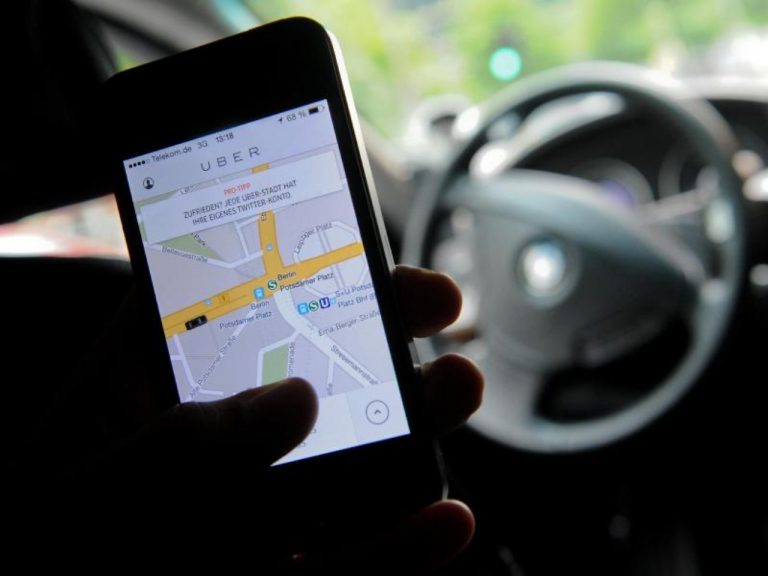
In recent decades, freelancing has developed, especially in the field of marketing and IT, in which contractors work independently for companies. In this way, companies acquire missing know-how on the one hand and workers on the other, whom they can deploy on call and thus in an absolutely flexible manner. Recently, platform workers – sometimes also called gig workers or, in German-speaking countries, «clickworkers» – have joined this development. What is special about these working relationships is that, on the one hand, people work like freelancers (s. Chapter 04.05). On the other hand, they are integrated like employees into the system of an internet platform, such as that of the ride service provider Uber, as soon as they click into the system. While freelancers can be relatively well covered by the existing law, platform workers somehow no longer fit into the system. They feel self-employed, act largely as such, but, as in the case of Uber, are nevertheless integrated into digital systems. The question arises whether new law needs to be created for this new type of working relationship (s. Chapter 04.06).
In 2018, it was predicted that most people would soon no longer work as salaried employees, but as self-employed people or in click jobs (NZZ am Sonntag, 28 January 2018, in German). So far, this has not happened: in Switzerland, the share of self-employed people has not grown over the last twenty years (Federal Statistical Office, SAKE in brief 2023, in German), and only a small minority performs platform work (Federal Statistical Office, 2020: 0.4 % of the population). The employment contract remains the standard. But platform work has become important enough for the law to react: with Convention No. 193 of 2026, the ILO adopted the first international standard on it (s. Chapter 04.03). Check with your chatbot how large platform work is in your country – and whether the law has reacted.